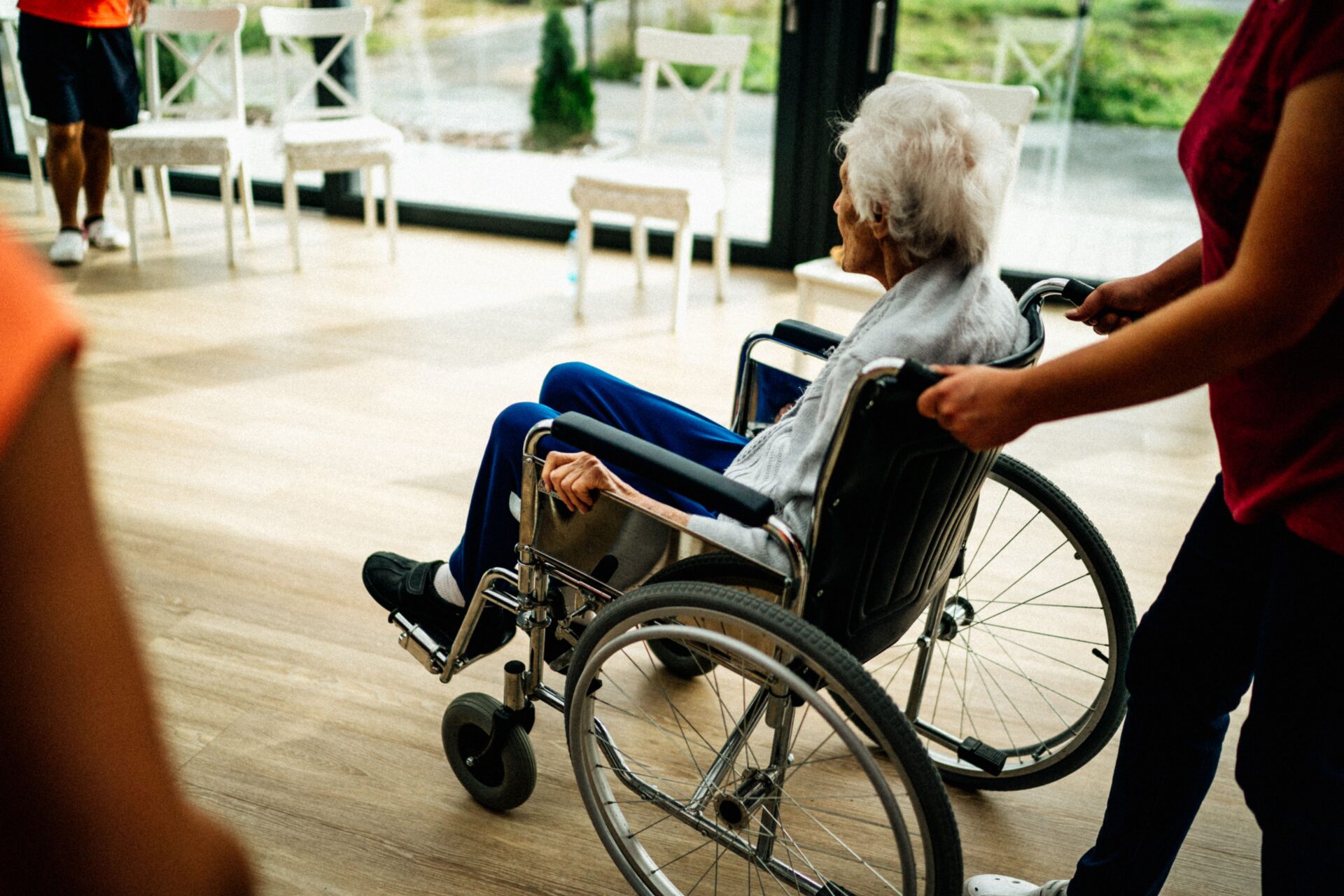
Florida has one of the oldest populations in the country, and roughly 700 licensed nursing homes care for tens of thousands of residents on any given day. Most of those facilities work hard to provide safe, respectful care. Still, abuse and neglect happen far more often than families expect, and they tend to happen quietly. A resident with dementia may not be able to describe what happened. A frail resident may be afraid to complain about the staff who feed and bathe them. That leaves family members, friends, and visitors as the first line of defense.
What Counts as Nursing Home Abuse
Nursing home abuse is any action, or failure to act, that causes harm or a serious risk of harm to a resident. It generally falls into a few broad categories:
- Physical abuse: hitting, pushing, rough handling, or the improper use of physical or chemical restraints.
- Emotional or psychological abuse: yelling, threats, humiliation, or isolating a resident from others.
- Sexual abuse: any non-consensual sexual contact, including contact with residents who cannot give consent because of cognitive impairment.
- Financial exploitation: theft of money or property, misuse of a resident’s accounts, or pressure to change a will or power of attorney.
- Neglect: failing to provide food, water, hygiene, medication, repositioning, supervision, or medical attention.
Neglect is the most common problem in many facilities, and it is often tied to understaffing. When there are not enough aides on a shift, residents may wait hours for help getting to the bathroom, miss meals, or go too long without being turned in bed.
Warning Signs Families Should Watch For
Because many residents cannot speak up for themselves, families have to notice changes. Some of the most important red flags include:
- Unexplained bruises, cuts, burns, or fractures, especially in different stages of healing
- Bedsores (pressure ulcers), which often signal that a resident is not being repositioned
- Sudden weight loss, dehydration, or signs of poor nutrition
- Soiled clothing or bedding, poor hygiene, or strong odors in the room
- Frequent falls or injuries that staff cannot explain clearly
- Withdrawal, fearfulness, agitation, or a noticeable change in mood around certain staff members
- Missing personal items, unusual bank withdrawals, or new financial documents
- Staff who refuse to let you visit alone or give vague, shifting answers to your questions
One sign on its own does not always mean abuse. A pattern of signs, or an injury that does not match the facility’s explanation, deserves a closer look.
Know the Rights Florida Guarantees Residents
Florida law gives every nursing home resident a detailed set of protections. Under the state’s nursing home residents’ rights law, residents have the right to be free from mental and physical abuse, to receive adequate and appropriate health care, to privacy, to manage their own finances, and to voice complaints without fear of retaliation. Facilities are required to post these rights and share them with residents and families at admission.
Understanding these rights makes it easier to recognize when a facility has crossed a line. If a resident is being restrained without a medical reason, kept from visitors, or ignored when calling for help, those are not just poor service. They may be violations of state law.
How to Report Abuse in Florida
If you believe a resident is in immediate danger, call 911 first. For situations that are not emergencies, Florida offers several reporting channels, and you can use more than one.
The Florida Abuse Hotline. The Department of Children and Families runs a statewide hotline that accepts reports about vulnerable adults 24 hours a day at 1-800-962-2873. Reports can also be submitted online or by fax. Florida law requires anyone who knows or suspects that a vulnerable adult is being abused, neglected, or exploited to report it, so you do not need proof before calling.
The Agency for Health Care Administration. AHCA licenses and inspects Florida nursing homes and investigates complaints about care quality, staffing, and safety. A complaint can trigger an unannounced inspection of the facility.
The Long-Term Care Ombudsman Program. Florida’s ombudsman program, run through the Department of Elder Affairs, uses trained volunteers to advocate for residents and help resolve complaints. Ombudsman services are free and confidential, and the program can be reached at 1-888-831-0404.
When you report, be as specific as you can. Write down dates, times, names of staff members, and exactly what you saw or were told. Take photos of visible injuries or unsanitary conditions if you can do so respectfully. Keep copies of any medical records, care plans, and correspondence with the facility.
Check a Facility’s History
Whether you are choosing a facility or worried about a current one, inspection history matters. Medicare’s Care Compare tool shows star ratings, staffing levels, health inspection results, and penalties for every Medicare and Medicaid certified nursing home in Florida. Repeated citations for the same problem, such as infection control or pressure sore prevention, can point to deeper issues with how a facility is run.
Support Beyond the Report
Reporting abuse can feel overwhelming. The National Center on Elder Abuse offers plain-language guidance on recognizing mistreatment and supporting older adults after it happens. If you need help arranging other care options, you can also find local aging services through the federal Eldercare Locator, which connects families with Area Agencies on Aging across Florida.
It may also make sense to speak with an attorney who handles Florida nursing home cases. Florida has specific procedures and deadlines for these claims, and an attorney can help preserve evidence, request records, and explain whether the facility may be held accountable.
Speaking Up Protects Everyone
When a facility is understaffed or poorly managed, other residents are often at risk too. A single report can lead to an inspection that improves conditions for an entire building. If something feels wrong, document what you see and make the call.
Key Resources
- Florida Long-Term Care Ombudsman Program
- Stewart Tilghman Fox Bianchi & Cain
- Lawsuit Information Center
- Nursing Home Abuse Center
- Florida Abuse Hotline
- Senior Justice
- Morgan & Morgan
- Nursing Home Law Center
- Florida Agency for Health Care Administration
- Spetsas Buist
- Rafferty Domnick Cunningham & Yaffa
